Pistolo Casino App In Italy: Access

Discover how to use the Pistolo app in Italy: installation, access, deposit and withdrawal, with clear limits and responsible gaming.

Play Now!
Slot Fortune Gems 2

Table of contents

  • The Dog House Megaways Slot
  • Lucky Joker 10 Extra Gifts Slot
  • Sword of Ares Slot
  • Floating Dragon Hold & Spin Slot
  • Leprechaun Riches Slot
  • Fruit Coctail Slot
  • The Dog House Megaways Slot
  • Sword of Ares Slot
  • Fruit Million Slot
  • The Dog House Megaways Slot
  • Fruit Box Slot
  • Big Fisherman Slot
  • Seven Books Unlimited Slot
  • Pistolo Fortune Slot
  • Sword of Ares Slot
  • Floating Dragon Hold & Spin Slot
  • 9 Mad Hats Slot
  • Floating Dragon Hold & Spin Slot
  • Big Bass Splash Slot

Why Choose Pistolo App on Mobile

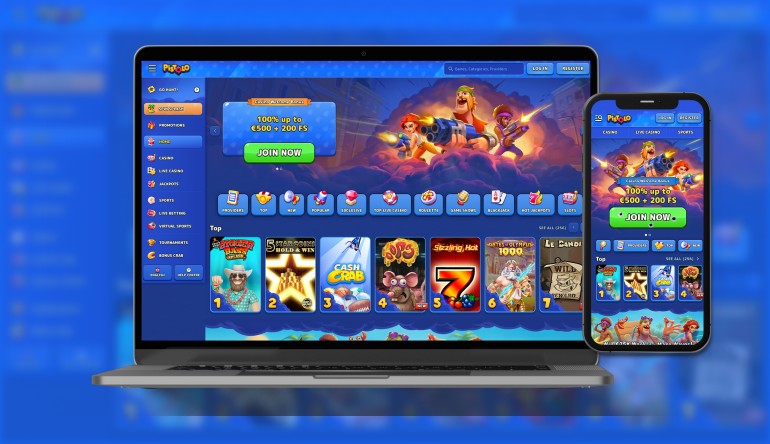
The Pistolo mobile app is designed for those who want to log in, find games, and manage their account without wasting time navigating endless menus. In practice, the convenience is not just about “playing from your phone,” but about being able to check your budget, history, and security settings in the same place, even when you're away from home.

Play Now!
app 1

Imagine you're on your lunch break and want to have a short session, without lugging a laptop around. You open the app, set a limit, play a few rounds, and close it. If you enter without a plan, however, the same convenience becomes a risk: your phone makes you speed up and time slips away.

In Italy, use the platform only if you are an adult (18+) and in compliance with applicable rules. The idea is not to “do it quickly,” but to ensure that every step—from login to withdrawal—is clear before you start, so you don't encounter surprises when you're already in the game mood.

What Pistolo Offers in Mobile Format

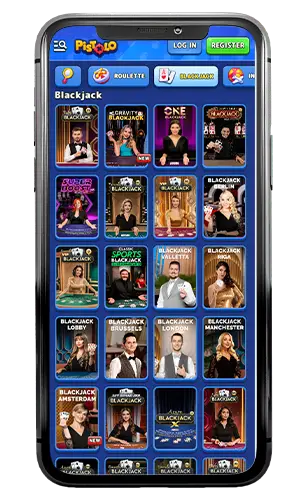
When a casino moves to smartphones, the real question is: does it let me manage everything with control, or does it just push me to click? With Pistolo, the value of a good app lies in the details: quick access, a readable account section, settings for limits and notifications, and navigation that doesn't force you to “hunt” for the most important features.

Play Now!
app 2

Imagine you just want to check something simple, like the status of an operation or your game history. If you have to go through five screens, frustration builds up, and you end up going back into games “since you're already there.” An organized interface reduces precisely that kind of impulse.

Another practical point concerns stability: in 2026, people constantly switch networks (home, mobile data, hotspot). If the app handles these transitions well, the session remains clean; if, however, it freezes and makes you repeat actions, it increases the likelihood of you making impulsive decisions.

How to Use Pistolo Casino App Without Stress

The Pistolo casino app works well when you treat it as a tool, not as a pastime that “opens itself.” The most solid way to use it is to build a routine: install it in calm conditions, prepare your account, set up security and limits, then play in short blocks.

Play Now!
app 3

Imagine installing while you're out, with low battery and a shaky network. The app updates halfway, asks for permissions on the fly, and you accept everything to move forward. The result is confusion, and confusion—almost always—leads to touching buttons without thinking. Doing it calmly is already half the strategy.

In Italy, if a verification step (age, identity, contact details) is requested, deal with it before your session. It's not a bureaucratic detail: it's the difference between a smooth withdrawal and an evening ruined by anxiety.

Installation And Updates On Android And iOS

Installation is the moment when the most annoying problems are prevented: insufficient space, randomly granted permissions, updates that start while you're playing. Before installing, free up some memory, update your phone's system, and ensure you have a stable connection. Then open the app for the first time just to check that it launches and that the main menus respond well.

Imagine having almost full storage and thinking “that's enough.” The app starts, but at the first screen change, it closes, you get annoyed, and you try to re-enter quickly. That's where double taps and errors arise. Two minutes of preparation avoid half an hour of frustration.

Regarding updates, the rule is simple: it's better to update when you're not about to play. If you know you'll have a session, check for updates beforehand, so it doesn't interrupt you in the middle.

Login, Security, and Access Recovery

Security is not an abstract concept: it serves to prevent a small error from becoming an endless session of attempts and blocks. Use a strong and unique password, activate recovery methods, and keep your contact details updated. If you change your number or device, fix it before depositing.

Imagine not receiving an access code and starting to repeat the request ten times. In a few minutes, you'll find yourself with a temporary block and the feeling that “nothing works”. The solution is more tedious but more effective: wait, check your network, verify your data, and try again just once, calmly.

If you play on a smartphone, protect your phone too: screen lock, biometrics if it's a personal device, and caution when using public Wi-Fi. It's not about paranoia, it's about digital hygiene.

Permissions, Notifications, and Privacy

Permissions should be “minimally useful”. Enable what you need for security and account management, and disable what draws you in on impulse. Notifications can be useful for transactions and logins, but if they become continuous invitations, they steal control of your routine.

Imagine receiving alerts during work and opening the app “just for a second”. That second turns into half an hour, because the lobby is there and your attention slips away. Reducing notifications is a small gesture that protects your time and budget.

Typical Download and Update Problems

If something goes wrong, don't change ten things at once. Change one variable at a time: network, restart, memory, system update. Also check that your phone's date and time are correct, as some security checks depend on this.

Imagine being in a hurry and reinstalling immediately, then trying again, then changing network and device. In the end, you don't know what worked and what didn't. An ordered approach helps you resolve issues sooner and without stress.

Deposits and Withdrawals in Italy With Method

Money management is where the app stops being “convenient” and becomes “serious”. The best rule is always the same: deposit with a fixed budget and withdraw as a closing gesture, not as a break. This way, you avoid the most common trap: playing while waiting for an operation to update.

Imagine having a good evening and deciding to cash out. You see a pending status, anxiety rises, and you go back to playing “to pass the time”. That choice often eats into your balance and leaves you nervous. It's better to treat the operation as a separate step: withdrawal requested, session ended.

In 2026, with mobile always in hand, the discipline of “close and done” is worth more than any trick. And remember: adults only (18+) and always in compliance with applicable terms.

Operational Aspect

What to Check

Typical Risk

Recommended Action

First Deposit

Budget and personal limit

Impulsive top-up

Only one deposit per session

Payment Method

Consistency and clarity

Unexpected extra steps

Use a known method

Transaction History

Time, amount, status

Confusion between operations

Note down and verify calmly

Withdrawal Request

Correct profile data

Going back to play “in the meantime”

Request and close the app

Account Verifications

Completed status

Block when cashing out

Perform verifications before playing

Deposit With a Fixed Budget

Depositing well means deciding beforehand, not reacting afterwards. Choose an amount you can afford to lose without stress and treat it as the cost of your entertainment. A simple rule that works: only one deposit per session.

Imagine a series of unlucky spins and the phrase that always comes: “I'll top up and recover”. That's not strategy, it's impulse. If it appears, it's a signal: pause and close. The next day, decide with a clear head, without the mission to “fix it”.

If you really want to maintain control, also set a maximum time. A budget without a time limit often runs out faster than you imagine.

Withdrawal as Session Closure

Withdrawal should be the end of the block, not an interlude. Request, check the data, and then exit. Staying in the app watching the status is an invitation to re-enter the lobby.

Imagine the status doesn't change immediately. The brain seeks action, and the easiest action is to play again. But playing doesn't “help” the withdrawal; on the contrary, it exposes you to losing what you were trying to cash out.

If there's a step to complete, do it only once and properly. No nervous repetitions, no experiments with new operations.

Support and Transaction Tracking

Support works better when you write better. Before contacting, open the history and collect the data: amount, approximate time, visible status, and what you did just before.

Imagine sending “it's not working” without details. They will ask for information, time will pass, you'll get nervous, and end up doing other operations “to try”. It's the quickest way to complicate everything. A clear report reduces the back-and-forth and puts you back in control.

And a golden rule: do not share passwords or verification codes. Support needs context, not access.

Limits, Timeout, and Gaming Habits

The hardest part isn't understanding the buttons; it's managing yourself when emotions run high. The app puts everything at your fingertips: games, cashier, promotions, notifications. That's why you need a system of limits and habits, not just 'good intentions'.

Imagine opening the app when you're tired, after a long day. In those moments, the risk isn't losing a hand; it's using the game as an anesthetic. That's where pre-set limits are needed, because when you're emotional, you don't set anything, you just push.

In Italy, only play if you are of legal age (18+) and always choose sessions with a beginning and an end. Responsible gaming isn't just a phrase: it's a mental calendar.

Setting Deposit and Time Limits

Limits work when they are realistic. If you set them too high 'to avoid feeling restricted,' they are useless. Set them so they truly protect you, then see how you feel after a week and adjust calmly.

Imagine saying 'I'm fine today anyway' and raising the limit before playing. When the session heats up, that limit becomes a permission, not a barrier. The best choice is to set it on a calm day, not at the moment of desire.

A simple trick: also use an external timer (an alarm clock). The alarm clock is more impartial than your momentary motivation.

Timeout and Self-Exclusion: When Needed

Timeout is not a failure; it's a smart interruption of automatism. It's useful when you notice clear signs: faster spins, irritation, a desire to recoup losses, difficulty stopping. Temporary self-exclusion is helpful if the pattern repeats and you realize limits aren't enough.

Imagine feeling annoyed when the alarm rings. That annoyance is often the most reliable indicator: you're no longer in choice mode, you're in impulse mode. A short break brings you back to the driver's seat.

If you want to return after the break, come back with a new plan, not with the mission to 'get back what I lost'.

Notifications and Routines to Avoid Random Entry

The real risk of mobile isn't one long session; it's ten micro-sessions throughout the day. A message, a free minute, a notification, and you're in without a defined budget. Reducing notifications and deciding 'when I play' saves you more money than a thousand technical tips.

Imagine being at work and opening the app out of curiosity. You don't have time, but you start anyway, and the session becomes chaotic. The solution is brutal and simple: if you don't have time and a budget, don't open it.

Create a ritual: only play at a chosen time, in a chosen place, with a chosen limit. Repetition creates control.

Security Checklist Before Playing

Before starting, perform three checks: account ready, payment method clear, limits active. Then choose a time block and a sustainable base bet. If you can't sustain the bet for the entire block, lower it.

Imagine starting with a high bet 'to feel the adrenaline.' After ten minutes, you're tense and start changing amounts. That's where the error arises. A stable base bet buys you time, and time buys you clarity.

Always close with a decisive gesture: exit the app. Don't leave the session 'open,' because low friction tempts you to re-enter.

Conclusion: A Routine That Protects You

The best experience with a smartphone casino isn't the most intense; it's the cleanest. Install calmly, set up security, set limits, play in short blocks, and close without negotiating. If you do this, mobile remains convenient and doesn't become a time black hole.

Imagine ending a session with a feeling of control, even if you still had 'two more spins' in your head. The next day you'll thank yourself, because you've trained the most important part: knowing when to stop.

In Italy, always maintain the responsible framework: legal age (18+), applicable rules, real data, and no shortcuts. The quality of the session depends more on your choices than on the game you open.

10-Minute Plan to Start

Imagine doing this at a quiet moment. Minute 1-2: check profile and contacts, and complete any required verifications. Minute 3-4: set up notifications and screen lock. Minute 5-6: decide budget and duration, and set an alarm. Minute 7-8: choose a sustainable base bet and open your history to know where to look next. Minute 9-10: play a short block and close, without 'just one more.' This plan is simple, but it's what curbs impulsive top-ups and endless sessions.

FAQ

First, complete your profile data and verify that your contacts are correct, then check if there are any required verification steps (it's best to do them at a calm moment). Imagine ignoring them and thinking about it later: often the problem arises when you want to withdraw, and then anxiety pushes you to play 'in the meantime.' Preparing your account beforehand avoids that short circuit and makes the session cleaner.

Choose an amount that doesn't impact your real expenses and treat it as entertainment cost, not an investment. Imagine being down and thinking 'I'll top up to recover': that's the sign that the budget is no longer a rule, but an open door. A good practice is one deposit per session and an alarm that ends the time, so you avoid extending impulsively.

First, do not repeat requests in series. Imagine pressing 'send' ten times: you only increase confusion and risk a temporary block. Check network, keyboard, entered data, and wait a few minutes, then try only once. If needed, use access recovery calmly and prepare a message for support with the time and steps taken, without rushing.

Treat the withdrawal as a definitive close: request, check the data, and exit the app. Imagine staying in and watching the status: the temptation to re-enter the games 'to kill time' is very high and often costs your balance. If the status remains pending, read any messages, complete what is requested only once, and then let the process continue without turning it into another session.

When you notice automatic signs: faster spins, irritation, a need to recover, difficulty stopping. Imagine feeling annoyed when the alarm rings: often that's the sign you're no longer choosing. A short break brings you back to clarity; if the pattern often returns, a longer break or a temporary suspension can be the smartest choice to protect your time and budget.

A report is needed, not an outburst: device, precise step, warning text, approximate time, and - if it concerns transactions - amount and visible status in the history. Imagine just writing 'it doesn't work': they will ask for details and more time will pass, while you risk performing other operations out of nervousness. With clear data, support can guide you faster and without asking for sensitive information.

Only keep notifications useful for security and account management, and deactivate what tempts you to enter out of habit. Imagine receiving a notification during work and opening it 'just for a second': it often becomes an unplanned session. Use focus mode and a simple rule: I only open the app when I have decided time and budget. This way, mobile remains a tool, not a continuous call.

Play Now