Pistolo Casino Login In Italy

Clear login procedure, credential recovery, and security tips for using Pistolo in Italy in 2026.

Play Now!
Slot Fortune Gems 2

Table of Contents

  • The Dog House Megaways Slot
  • Lucky Joker 10 Extra Gifts Slot
  • Sword of Ares Slot
  • Floating Dragon Hold & Spin Slot
  • Leprechaun Riches Slot
  • Fruit Coctail Slot
  • The Dog House Megaways Slot
  • Sword of Ares Slot
  • Fruit Million Slot
  • The Dog House Megaways Slot
  • Fruit Box Slot
  • Big Fisherman Slot
  • Seven Books Unlimited Slot
  • Pistolo Fortune Slot
  • Sword of Ares Slot
  • Floating Dragon Hold & Spin Slot
  • 9 Mad Hats Slot
  • Floating Dragon Hold & Spin Slot
  • Big Bass Splash Slot

Account Access In Pistolo: What You Need

Imagine you have five minutes before going out and want to check your balance: you open the platform, but you realize you don't remember exactly which email you used. If you improvise, you waste time and start trying random combinations. It's better to start with a method: correct data, a reliable device, and a minimum of organization.

Play Now!
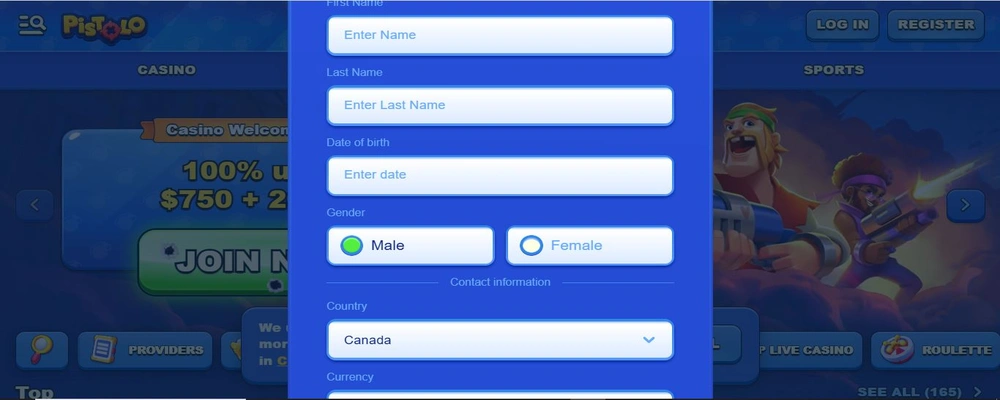
login 1

To enter smoothly, three things are needed: consistent credentials (email or phone, depending on how you registered), an updated password, and access to the channel where you receive codes or confirmation messages. In 2026, many people often change smartphones or use multiple browsers: the problem is not technology, it's the confusion between profiles and devices.

Before typing anything, check a simple detail: are you using the right account? It happens that a player has two similar emails and chooses the wrong one out of habit. A quick check saves you repeated attempts and possible temporary blocks.

Also remember the context: the platform is available in Italy and, if you decide to play with money, you must be of legal age (18+), respect the applicable rules, and treat everything as entertainment, not as a way to recover losses or relieve stress.

Login Issues: Password, Email, and Verification

Imagine this scene: you're on the sofa, you open your personal area, and the password you 'are sure' you remember doesn't work. You get nervous, try other variations, then start changing capital letters and numbers at random. This is usually where control is lost: not because of the game, but because of haste.

Play Now!
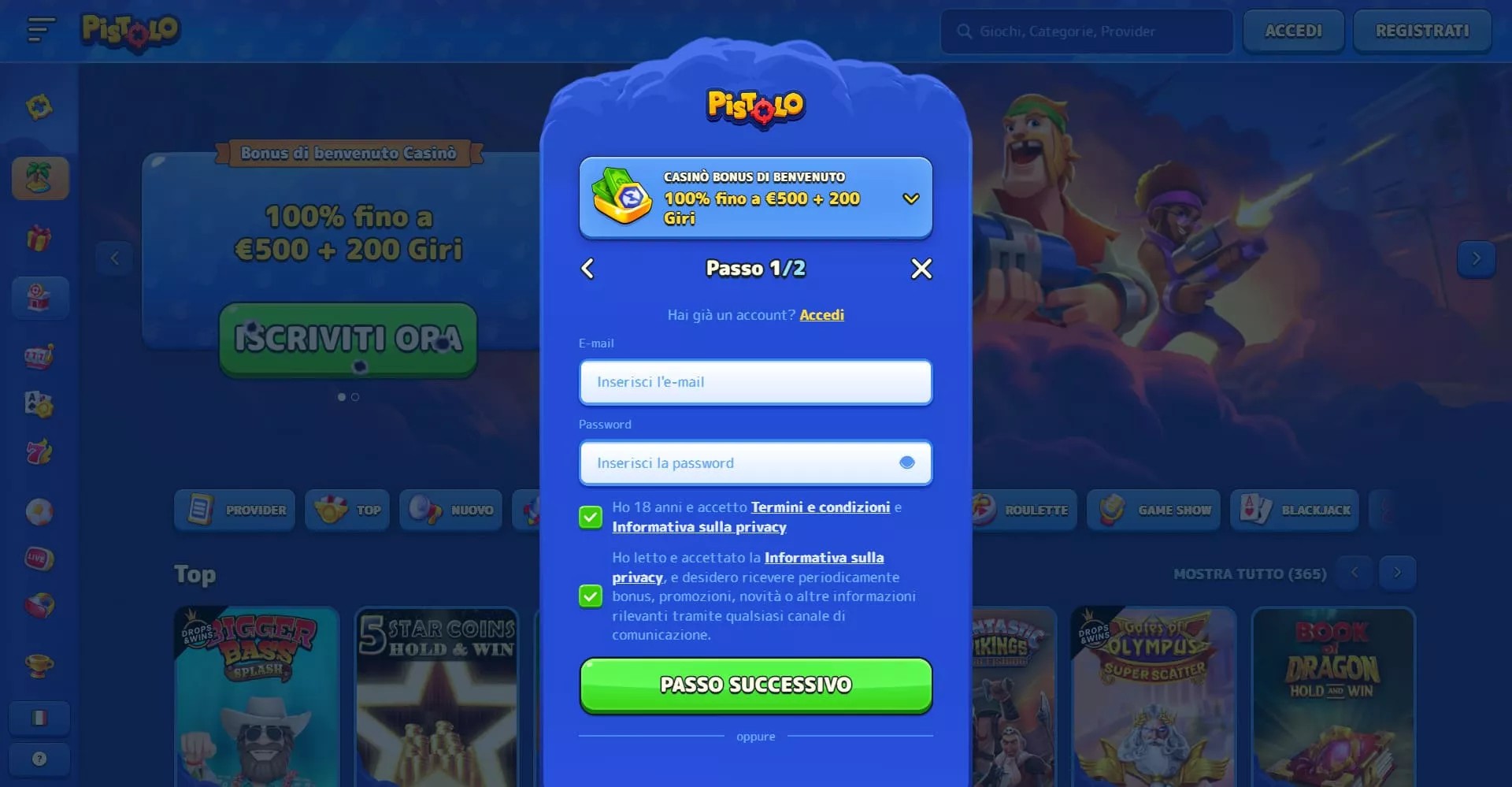
login 2

When login fails, there's one rule: reduce attempts and move to a clean solution. Often the error is trivial: keyboard in a different language, unintentional copied-pasted spaces, or an old password manager filling in the wrong field. Instead of insisting, stop and check the details you can verify immediately.

Another common point is two-step verification or the one-time code. Sometimes the message arrives late, or arrives on a channel you're not watching. If you start requesting codes repeatedly, you risk confusing the process and making the situation worse. Better one request, then a short wait and check the correct channel.

If the platform requires identity verification, take it as a security step, not a personal obstacle. In 2026, many users hastily upload documents with blurry photos and bad lighting, and then are surprised if a new submission is requested. Do it calmly: good lighting, sharp images, and consistent data in your profile.

login 3

How to Use Pistolo Login on Mobile and Desktop

Imagine changing devices halfway through the day: first you log in from a computer, then you try again from your phone on the subway. If you don't have a minimum routine, you end up confusing sessions, codes, and settings. The key is to make access repeatable: same steps, same checks, same limits.

Play Now!

On desktop, you usually have more space to read messages and statuses, which helps you not skip steps. On mobile, it's easier to rush, double-tap, and miss information. That's why it's good to use a routine: verify the confirmation channel, check that the device is protected, and close the session when you're done.

In 2026, security is not an abstract word: it means avoiding unstable networks for sensitive operations, not leaving your account open on shared devices, and using a serious screen lock. If you play with money, remember that it is an activity for adults (18+) and must remain within applicable rules and personal limits.

Secure Session and Trusted Devices

Imagine lending your smartphone 'just for a moment' to a friend and forgetting your personal area open. Even if nothing happens, the doubt remains, and you start checking compulsively. A secure session also serves this purpose: to reduce mental noise.

Set a reliable screen lock, avoid reused passwords, and if you can, use a credential manager that doesn't fill in random fields. If the device is new, take a minute to check notifications and permissions: sometimes a confirmation message simply isn't seen because it's muted.

When you're done, log out of your personal area. Don't say 'I'll leave it open, it's just me'. It's a bad habit that becomes a problem precisely when you're tired, distracted, or in a public place.

Credential Recovery Without Blocks

Imagine not remembering your password and wanting to solve everything in ten seconds. You try five variations, then a waiting warning or a temporary block appears. This is normal: systems protect the account precisely from repeated attempts.

The fastest way is the orderly one: use credential recovery, check the correct email, and update your password cleanly. If you have multiple addresses, check first: which one did you use for registration? If you're not sure, don't guess. It's better to stop, look for confirmation in your own archive, and restart calmly.

When setting a new password, avoid 'easy to remember' but predictable choices. In 2026, automated attacks exist, and a strong password will save you problems in the future, especially if you play with money.

Quick Checks Before Retrying

Imagine that login doesn't work and your first reaction is to try again immediately. Stop for a moment and check three things: correct keyboard, no copied spaces, no wrong auto-fill. Then make only one attempt, not a flurry.

If the problem continues, change your approach: credential recovery or verification of the confirmation channel. Speed is not achieved by insisting, it is achieved by choosing the right path.

What To Do If A Code Arrives Late

Imagine requesting a code and not seeing it arrive: anxiety rises and you press again. Often this generates multiple codes, and you no longer know which one to use. The best choice is one: wait a minute, check the correct channel, and only then request again.

If you are in a place with an unstable signal, move or change networks before trying again. In 2026, many 'problems' are just connection issues and haste combined.

Deposits, Withdrawals, and Account Status

Imagine logging in to perform a quick operation and seeing a status 'under review' or 'pending'. If you get carried away by haste, you start changing data, repeating requests, and writing confused messages. Instead, the correct management is linear: one request, one check, then patience.

In Italy, as elsewhere, methods and times may depend on the chosen channel and the required verifications. There's no need to invent promises or precise numbers to proceed well: you need to read the statuses, avoid duplicate actions, and keep your profile consistent. And if you play with money, remember that it is an activity for adults (18+) and must remain within applicable rules and personal limits.

Deposit: One Confirmation, Then Verify

Imagine making a deposit while distracted and the screen seems 'frozen' for a few seconds. The risk is confirming twice and then not understanding what happened. The practical rule is simple: one confirmation, then check the status in your personal area.

Decide the amount before starting, as an entertainment budget. If you decide it while already emotional, you increase the risk of pushing yourself beyond the limit. In 2026, the best discipline is the boring one: small amount, defined time, zero improvisation.

If you see a delay, do not 'test' with a second operation. Wait, verify, and act only when you have clear information.

Withdrawal: Follow Status Without Anxiety

Imagine requesting a withdrawal and checking its status every thirty seconds. The more you look, the more anxious you get, and the more you want to change something 'to unblock it'. It's the opposite of what helps.

Healthy management is this: you send a request, mentally note the date and amount, then recheck later. If the system requires an additional step, you do it calmly. If it requires nothing, you let the procedure work. Changing profile data on the same day as a request usually complicates things.

If you have doubts, prepare an organized message for support. Not emotional, not long, just data and facts.

Support: Short Messages and Precise Data

Imagine writing 'it's not working' and expecting an immediate solution. They will respond with questions, and the case will take longer. A useful message has structure: what you were doing, when it happened, what you saw, and what step you have already tried.

Then apply one rule: one step at a time. If they ask you to check a status, you check it and respond with that. If they ask for a clearer document, you send it better. Don't make ten parallel attempts, because you'll lose track and increase anxiety.

And while you wait, freeze important actions. In 2026, order saves more time than haste.

Common Situation

Probable Cause

What To Do Immediately

What To Avoid

Login Failed

Incorrect data or autofill

Check keyboard and fields, then one attempt

Repeated and rapid attempts

Code Not Arriving

Wrong channel or weak signal

Wait, check notifications, try again once

Request multiple codes in a few seconds

Forgotten Password

Old credential or email confusion

Credential recovery and new strong password

Inventing random combinations

Operation Status Pending

Procedure in progress or request verification

Check status, then wait and be patient

Duplicate requests or change data

Doubts About Profile

Inconsistent information

Align data and send clear documents

Continuous “on-the-fly” changes

Responsible Gaming and Personal Limits

Imagine you come in to have fun and stay because a better moment is “just around the corner.” This is a common thought, and precisely why a structure is needed. In 2026, the problem isn't finding a game; it's knowing when to stop.

If you play with money, do so only if you are an adult (18+) and in compliance with applicable rules. Then set two real limits: time and budget. If one ends, the session ends. Not because “you have to,” but because it's the only way to keep gaming in its place: entertainment.

Time Limit: Stop When the Alarm Sounds

Imagine the timer goes off and you say, “just five more minutes.” If you repeat this, the limit ceases to exist. A limit only works if you don't negotiate it.

Start with short sessions that are easy to respect. Stop even if the session seems “good” to you. It is precisely in those moments that control is learned. If it's difficult for you, reduce the duration: better ten minutes ended well than thirty minutes ended badly.

When you stop, change activities. Get up, drink water, do something else. The physical change breaks the inertia.

Session Budget: No Recovery Top-ups

Imagine losing part of your budget and thinking, “I'll put some back in and get even.” That phrase is the beginning of the chase, and the chase is what turns gaming into stress.

Decide your budget beforehand, in a clear-headed way, as entertainment expense. A useful rule is to avoid topping up to recover losses. If the budget runs out, the session ends. If you feel the limit is “too tough,” don't expand it: reduce the duration and make it easier to stick to.

In 2026, discipline is built with small, repeatable limits, not with grand promises.

Break and Timeout: Breaking Inertia

Imagine you close out and want to re-enter after two minutes, almost without thinking. It's not fun; often it's a habit. A scheduled break or a timeout helps break the cycle.

Use the break when you feel acceleration, irritation, or an urgency to recover. Take some time away from your phone, not just “put it down for a second.” If the pattern repeats and gaming invades your sleep, mood, or wallet, a longer break or self-exclusion tools can be responsible choices.

Asking for support from your circle is not a failure. It's prevention.

Security and Privacy on Your Phone

Imagine using a phone without a screen lock and leaving your personal area open. Just one distraction and you find yourself with unnecessary risk. Security is a routine: screen lock, unique password, logging out of the session when you're done.

Avoid unstable networks for sensitive operations and don't press multiple times if the screen is slow. Check statuses, act once, then wait. Many tensions arise from small mistakes made in haste.

In 2026, less technical friction means fewer impulsive decisions. And fewer impulsive decisions mean a calmer experience.

Conclusion: Methodical Access in 2026

Imagine wanting to log in quickly and doing so calmly: it seems like a contradiction, but it's precisely the solution. If you have routines, the process is fast. If you improvise, it becomes slow.

In Italy, use the platform carefully: clear rules, defined budget, and limited time. If you play with money, remember it's only for adults (18+) and should remain entertainment. In 2026, the difference between a calm session and a stressful one is often just one thing: stopping when planned, not when you “feel ready.”

Final Checklist For Smooth Access

Imagine your next session: open, check data, enter, do what you need to do, and close without dragging it out. This is the practical checklist: active timer, confirmation channel available, updated password, protected device, and final exit from the personal area. If something isn't right, don't increase attempts: change your approach, recover credentials, or contact support with precise data. This way, access remains simple and gaming stays under control.

FAQ

Imagine trying three or four combinations and already feeling frustrated: it's time to stop, not to insist. The cleanest way is to use credential recovery, verify you have the correct email or number, and set a new strong password. Avoid predictable choices and do not save the new password in unprotected notes. If you have multiple similar addresses, first clarify which one you used during registration, so you don't waste time on attempts.

Imagine requesting it twice in a row and then no longer knowing which one to use: this often happens when you're in a hurry. Request once, wait a minute, and check the correct channel (including notifications). If you're in a place with a weak signal, move or change network before trying again. If the problem persists, it's better to contact support with a short, clear message instead of accumulating requests.

Imagine being convinced you remember everything and trying ten times: that's how the wait is triggered. Reduce attempts and first check for common errors: keyboard, capitalization, unintentional spaces, and incorrect autofill. After one or two reasoned attempts, move on to credential recovery. In 2026, true speed is choosing the correct path immediately, not repeating the same action.

Imagine having a long procedure to manage and doing it on your phone amidst noise: you risk skipping steps. The computer helps when you need to read statuses and messages calmly, while mobile is convenient for quick checks if you have active notifications and a protected device. The best choice depends on what you need to do: for sensitive operations, a stable and distraction-free environment is advisable, regardless of the device.

Imagine starting “just for fun” and then staying because you want to recover: that's where a rule is needed. Define time and budget before opening the session, and close when one of the two ends. If you play with money, do so only if you are of legal age and in compliance with applicable rules. If you notice irritation or urgency, take a break or use timeout tools: self-control is trained with clean closures, not with infinite sessions.

Imagine sending a confusing message and only receiving questions: the case drags on. Write what you were doing, when it happened, what you saw, and which step you've already tried. Keep the message brief and concrete, without emotion. Then follow a simple rule: one step at a time, without performing new operations while waiting for a response. This way, support immediately understands where to intervene.

Imagine leaving the screen unlocked and your personal area open: just one distraction can create an unnecessary risk. Use screen lock, a unique password, and close the session when you're done. Avoid unstable networks for sensitive operations and don't press multiple times if a screen is slow. Security is not complicated: it's a routine that removes doubts and allows you to play with more calm.

Play Now